What Is a Residential Care Home?
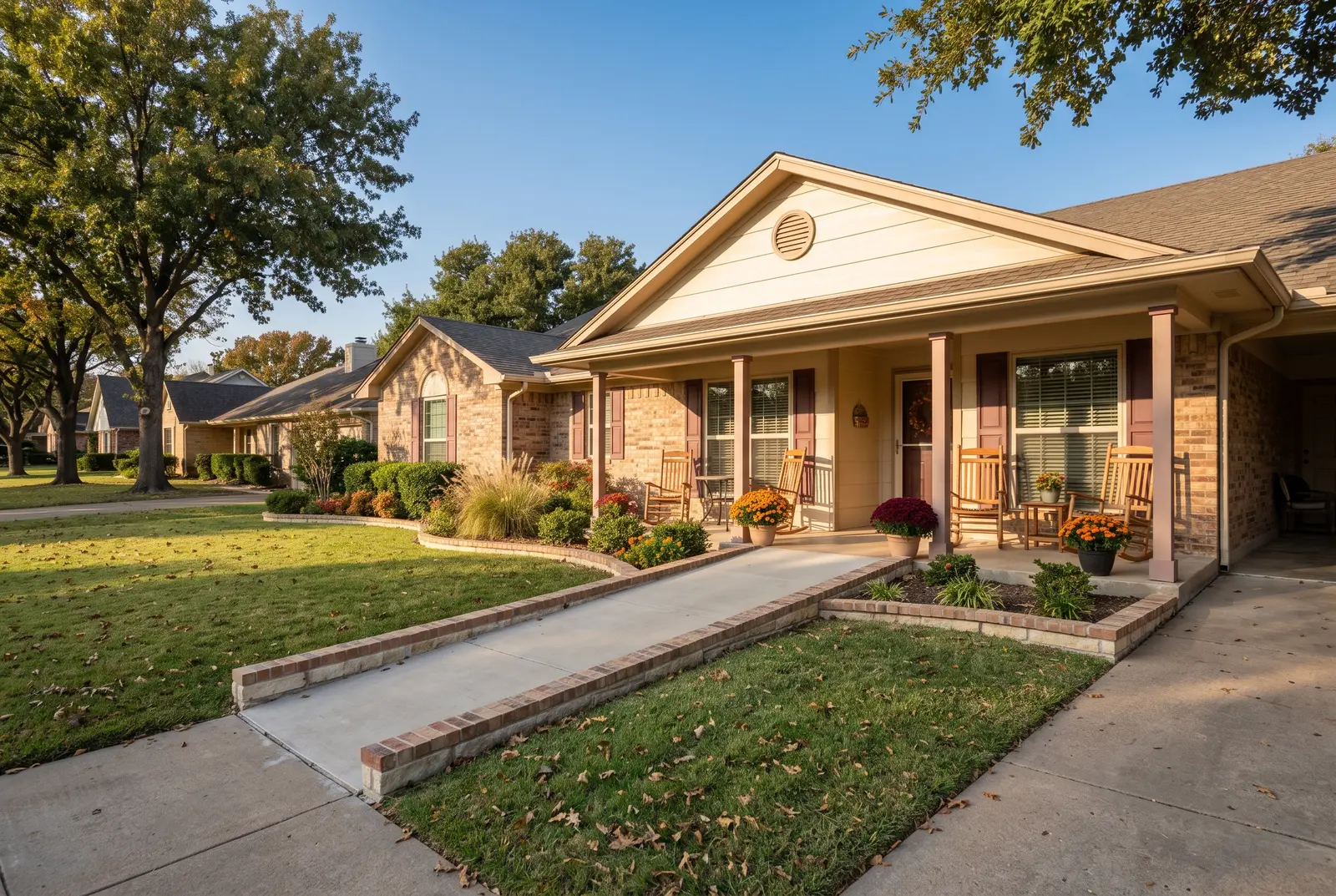
A residential care home provides care in a regular house with a smaller group of residents. You may also hear them called board and care homes, personal care homes, adult family homes or small assisted living homes. Families often describe them as warm, quiet and personal. Residents share living spaces, enjoy home-cooked meals together and get to know their caregivers well.
It is important to know that “residential care home” describes a setting. It is not a separate Texas license category. Many residential homes in Collin County operate as licensed assisted living facilities. Always verify a home’s actual license, permitted capacity, care capabilities and inspection information rather than relying on its business name.
Why Families Choose Smaller Care Homes
- Personal attention. Fewer residents can mean caregivers know each person’s routines, likes and dislikes.
- A familiar environment. A neighborhood house can feel less overwhelming than a large building, especially for people with memory loss.
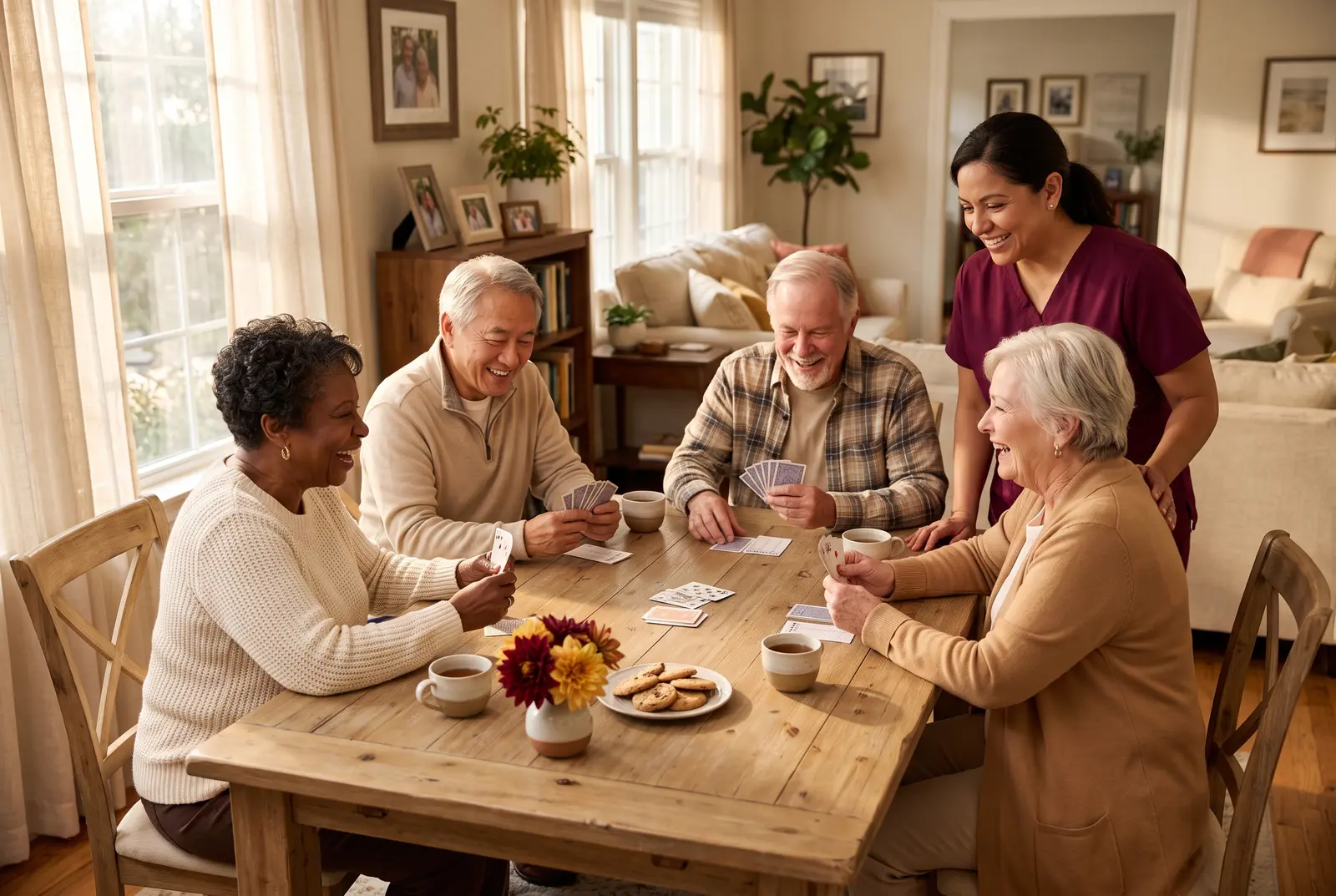
- Family-style living. Shared meals, games and conversation around the table.
- Consistency. Seeing the same caregivers every day can reduce anxiety.
- Close to family. Homes in many Plano, McKinney, Frisco and Anna neighborhoods can make visits easier.
Things to Consider
Small homes are not right for everyone. A smaller home may offer fewer on-site amenities, fewer planned group activities and less space to walk around. Some residents who love busy social calendars prefer a larger community. We help you weigh these trade-offs honestly.
| Ask about | Why it matters in a small home |
|---|---|
| License type and capacity | Confirms the home is operating within its license. |
| Overnight staffing | Small homes vary widely in who is awake and on duty at night. |
| Backup coverage | Who covers when a caregiver is sick or on vacation? |
| Care limits | Which needs (mobility, two-person transfers, dementia behaviors) can the home safely handle? |
| Activities and outings | How residents stay active and engaged day to day. |
| Written pricing | Base rate, care charges and anything billed separately. |
Does a Residential Care Home Need a License in Texas?
Texas generally requires an assisted living license when an establishment provides food and shelter to four or more people unrelated to the owner and provides personal care or qualifying medication administration. Exceptions and other laws may apply. Serving fewer than four people does not, by itself, mean a home is safe or free of other requirements. Confirm a specific home’s status with Texas HHSC. Learn more on our Texas licensing guide.
Type A and Type B Residential Homes
A small residential home may hold either a Type A or Type B assisted living license. Type A residents must be able to evacuate without staff help and generally not need routine attention at night. Type B homes can serve residents who need help evacuating or need nighttime attendance. License type is not a quality rating, but it does affect who a home can accept. Read the full Type A vs. Type B explanation.
How We Help You Find the Right Home
Dorothy has worked inside a care home setting and knows daily operations first-hand. She helps you look beyond appearances and ask meaningful questions about staffing, care practices, safety and licensing. We help you:
- Identify residential homes near the family members who visit most
- Arrange tours and introductions
- Compare written pricing and care limits side by side
- Understand what to confirm before signing an admission agreement
What Daily Life Looks Like in a Residential Care Home
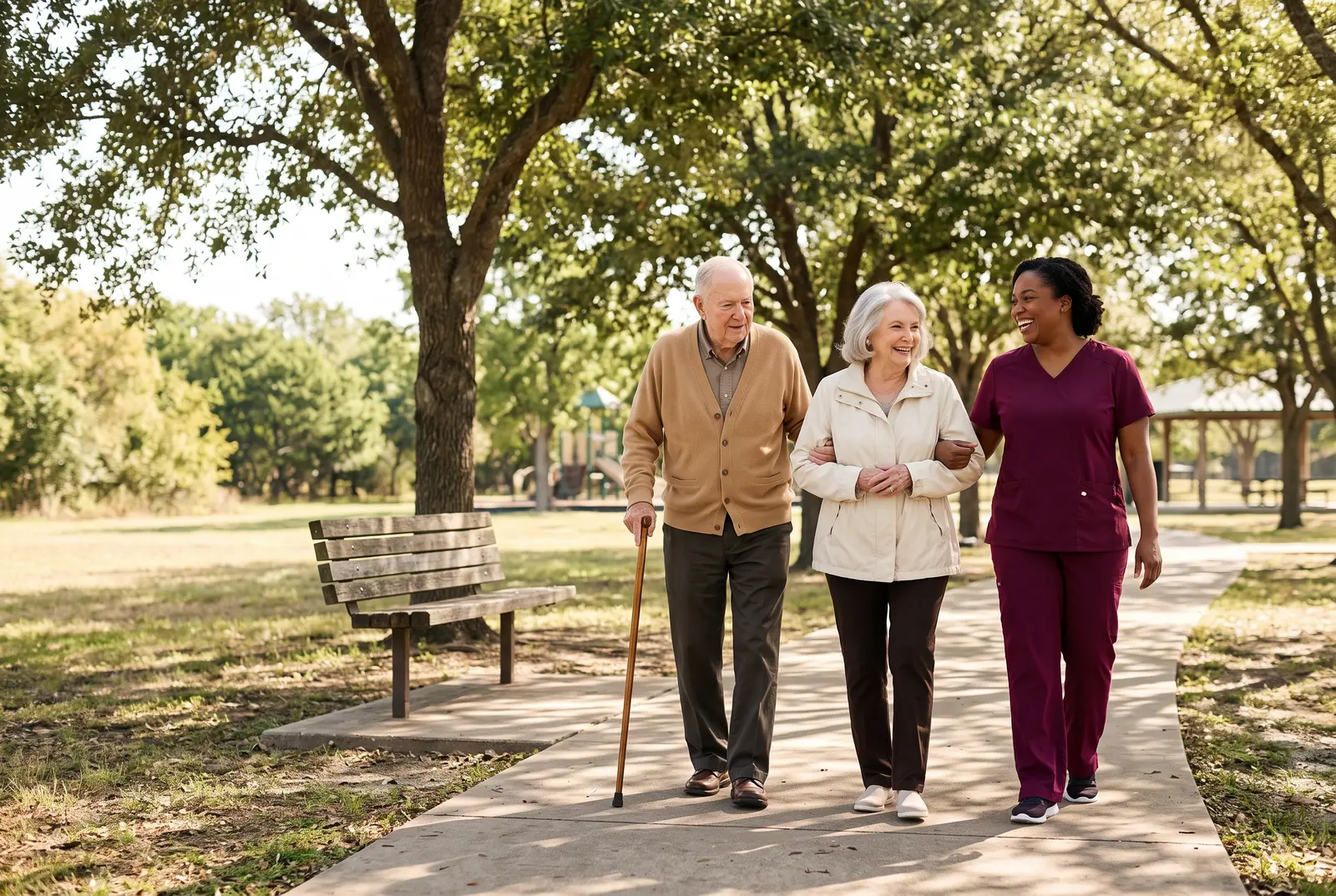
Every home is different, but a typical day often feels a lot like life in a family home. Caregivers help residents get up, bathe and dress at their own pace. Breakfast is served around one table. Mornings may include a walk, music, puzzles or a visit from family. Lunch and dinner are usually home-cooked, and many homes are happy to make a resident’s favorite dish. Afternoons might bring cards, bingo, a movie, time on the porch or a short outing. Because there are fewer residents, caregivers notice small changes quickly: a skipped meal, a new cough or a quieter-than-usual mood.
Residential Care Homes in Plano, McKinney, Frisco and Anna
Small care homes are spread throughout Collin County’s neighborhoods. Families in Plano and Richardson often want a home close to longtime doctors and churches. Families in McKinney, Frisco and Prosper are often adult children looking for a parent to live nearby. In Anna, Melissa and Celina, families often prefer a quieter, small-town setting. We start with the address of the family member who visits most, then look for homes within an easy drive.
How Much Does a Residential Care Home Cost?
Pricing in small homes varies with the room (private or shared), the level of care and what is included. Some homes charge one all-inclusive monthly rate. Others charge a base rate plus care fees. Ask every home for written pricing that lists the monthly rate, any care charges, deposits and what happens to the price if care needs increase. Payment is usually private; long-term care insurance and some veterans benefits may help. Verify any benefit directly with the plan or agency.
Residential Care Home Questions
What is a residential care home?
A residential care home usually provides care in a house with a smaller group of residents. The name describes the setting, not a separate Texas license category. Many residential homes operate as licensed assisted living facilities, so always verify the actual license.
Are small care homes less expensive than large communities?
Sometimes, but not always. Pricing depends on the room, the level of care, and what is included. We help you compare written pricing side by side so there are no surprises.
Why do some families prefer a smaller care home?
Many families like the quieter, family-style atmosphere, higher familiarity with caregivers, and home-cooked meals at a shared table. Others prefer the amenities of a larger community. We help you weigh what matters most to your loved one.
Find a Care Home That Feels Like Home
Share your loved one’s needs and preferred city, and we will help you identify residential care homes worth visiting.